Construction Technology
Construction as a Coordinated Process
Construction is the organized process of transforming a design into a physical building on site. It brings together labor, materials, equipment, and time in a carefully planned sequence where each activity depends on the one before it. Construction is not only about assembling elements, but about making continuous decisions that affect safety, quality, cost, and long-term performance. A well-managed construction process ensures that what is built reflects both the design intent and the practical realities of the site.
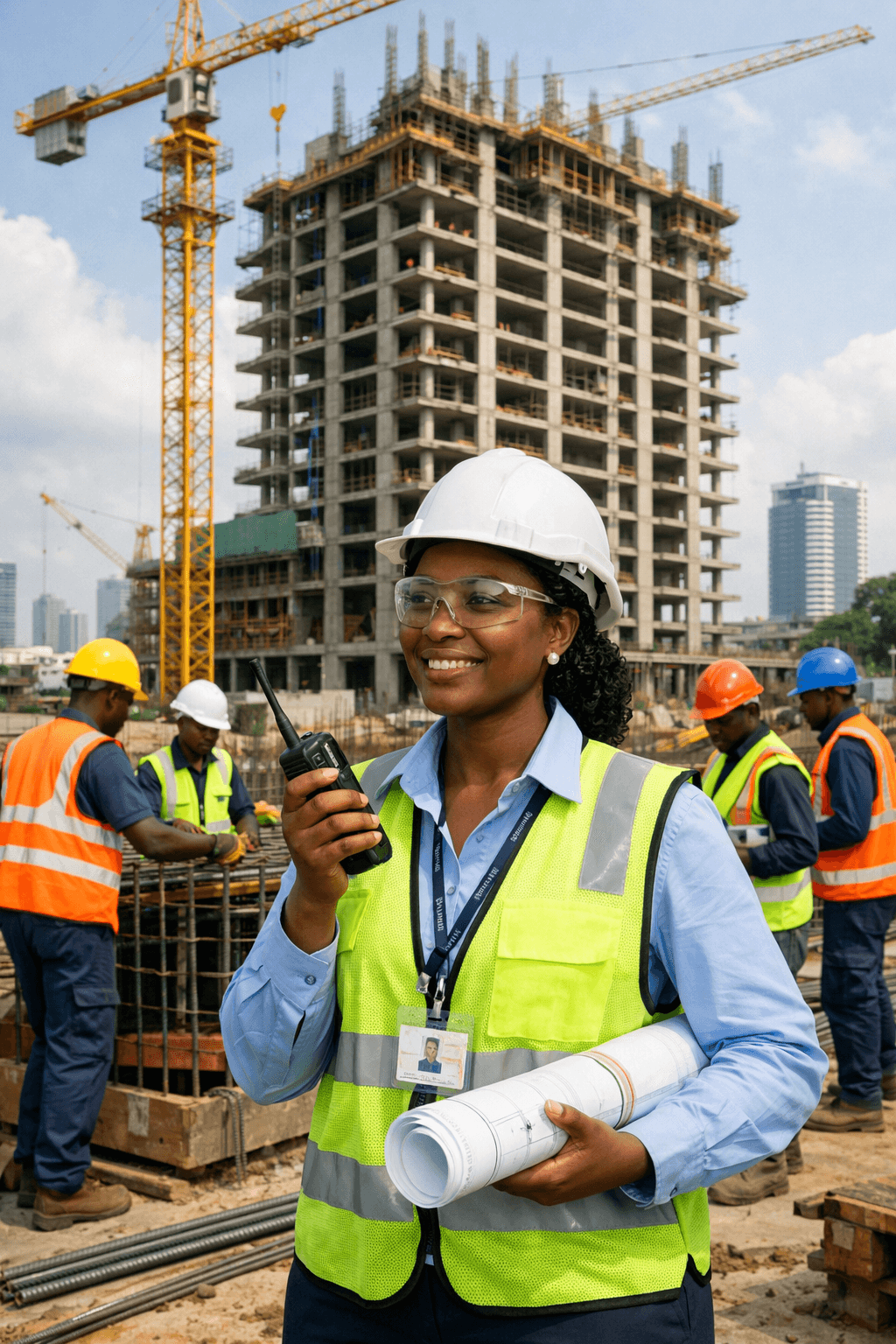
Groundworks and Structural Execution
Every construction project starts with the ground and progresses upward. Excavation, foundations, and structural works form the base upon which everything else relies. These stages determine how loads are transferred safely into the soil and how the building gains strength and stability as it rises. Precision at this level is critical, because mistakes in foundations or structure can compromise the entire building and are often difficult to correct once construction advances.
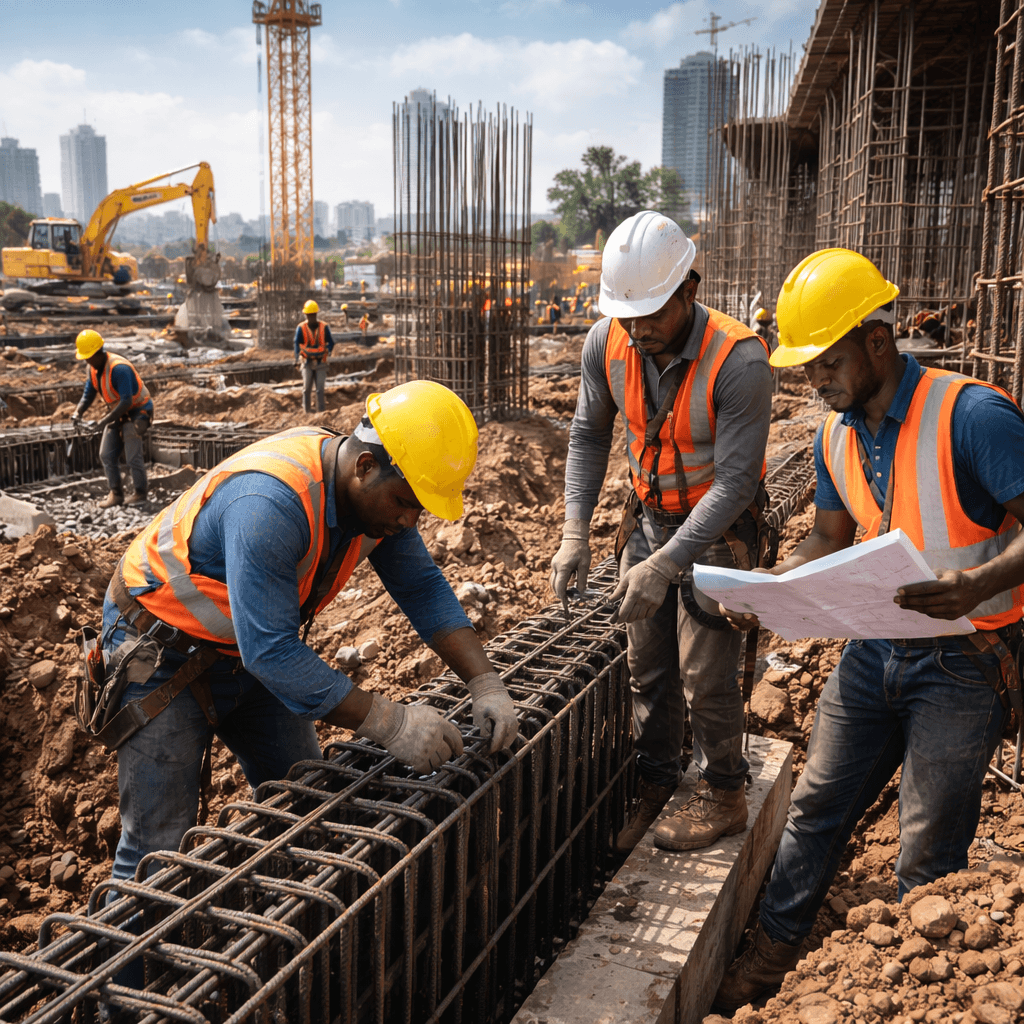
Enclosing and Protecting the Building
Once the structure is in place, construction shifts toward enclosing the building. Walls, roofs, windows, and doors are installed to protect the interior from rain, heat, wind, and other environmental factors. This stage plays a major role in comfort, durability, and energy performance. Proper execution ensures that the building remains dry, thermally stable, and resistant to long-term deterioration caused by weather and moisture.
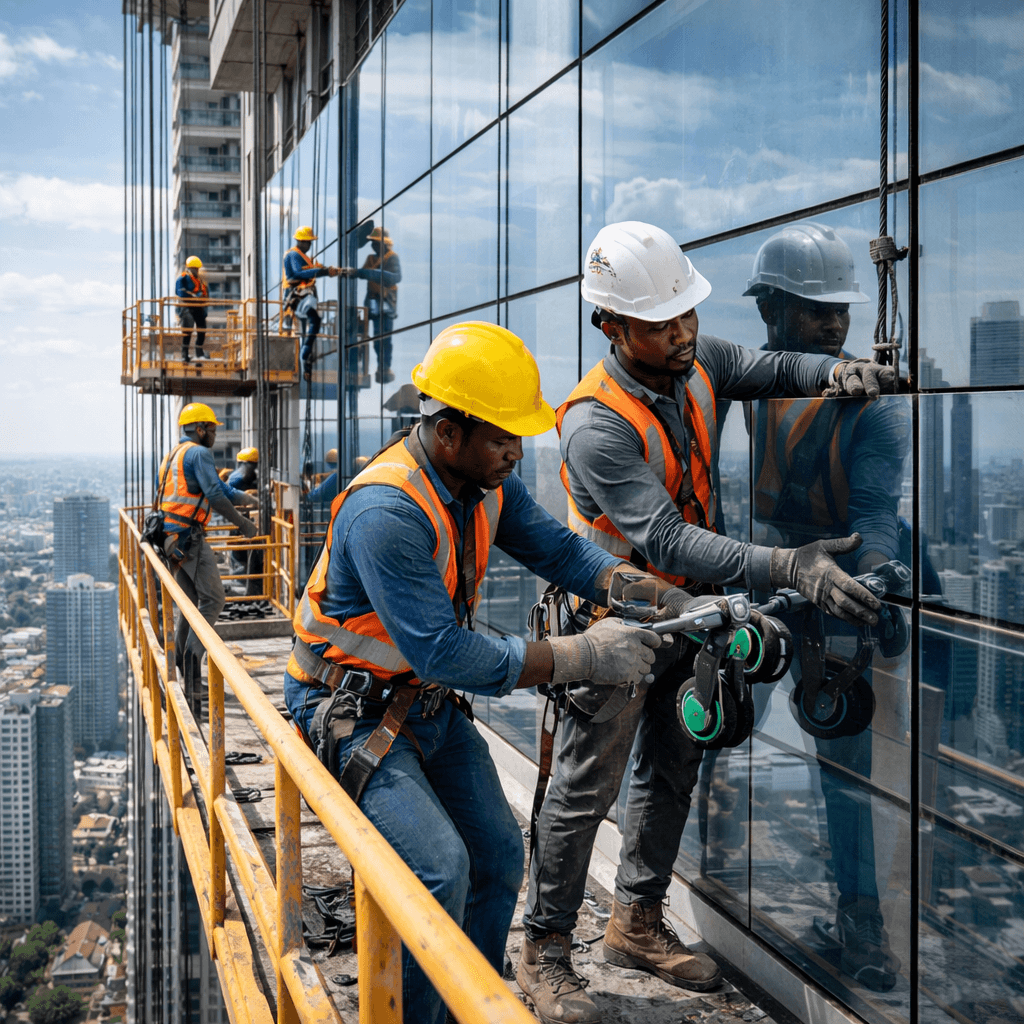
Integrating Building Systems
Construction also involves the installation of essential building systems that allow the structure to function. Electrical, plumbing, and heating, ventilation, and air-conditioning systems are introduced and coordinated within the building framework. These systems must be carefully routed and installed to avoid conflicts, maintain safety, and allow future maintenance. Successful integration depends on clear planning and accurate execution on site.
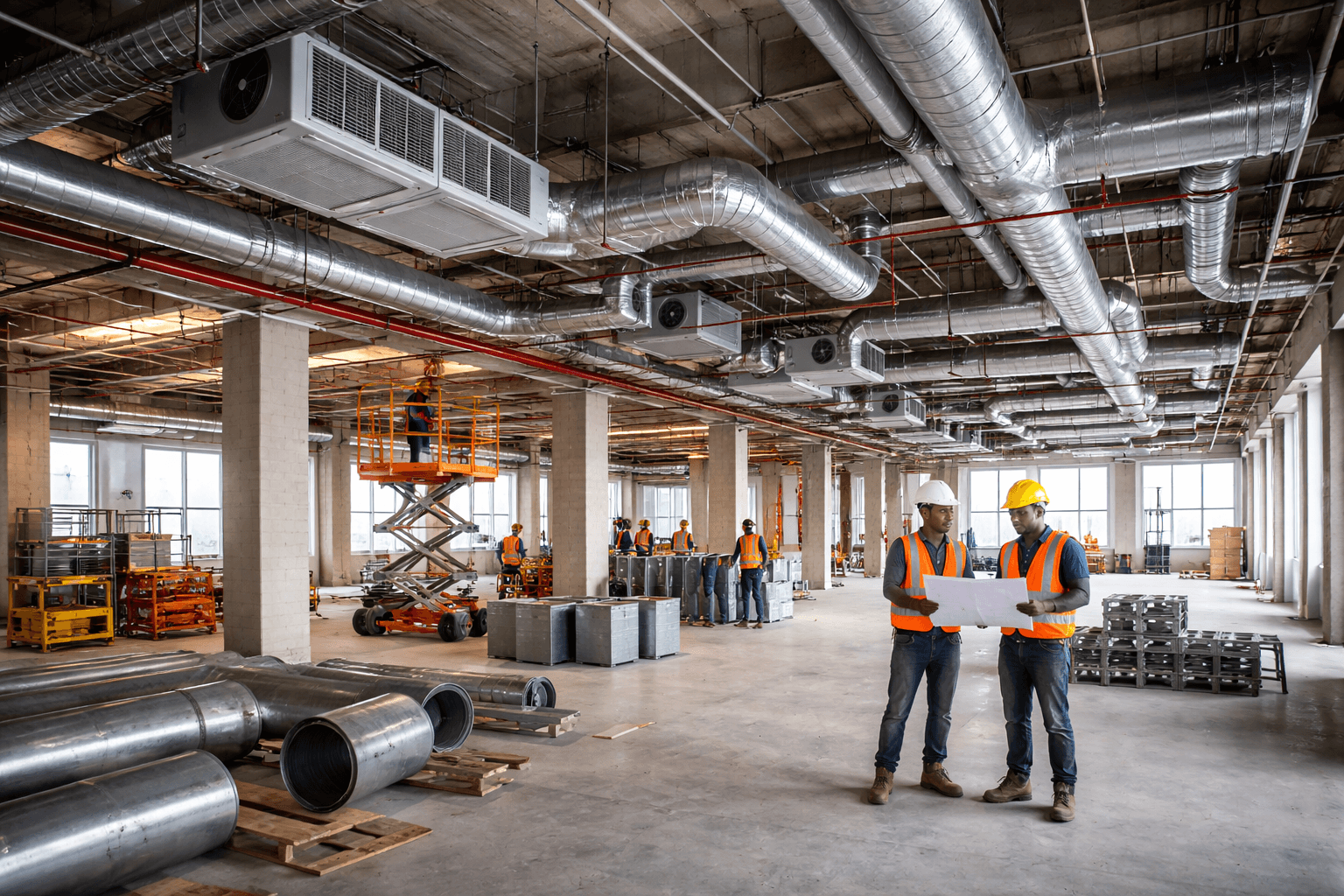
Finishing and Making Spaces Usable
As construction approaches completion, finishes are installed to make spaces functional and comfortable. Floors, wall finishes, ceilings, fixtures, and fittings define how each space is used and experienced. Although finishes are often seen as decorative, their installation requires technical accuracy to ensure durability, hygiene, and proper performance. This stage transforms the building from a structure into a usable environment.

Learn Construction Technology the Practical Way
Our training center offers a Construction Technology Certificate Course designed to explain construction clearly, logically, and practically. The course brings together building systems, materials, equipment, estimating, scheduling, and site practices to give learners a complete picture of how buildings are built and managed. If you are serious about working in construction — whether as a contractor, site manager, or technical professional — understanding construction technology is not optional. It is essential.