Interior Design
Interior Design as Spatial Organization
Interior design is about shaping interior spaces so they are functional, comfortable, and meaningful for the people who use them. It goes beyond decoration to address how rooms are arranged, how circulation works, and how activities take place within a building. Interior design considers scale, proportion, and human movement, ensuring that spaces feel balanced, efficient, and appropriate for their intended use.
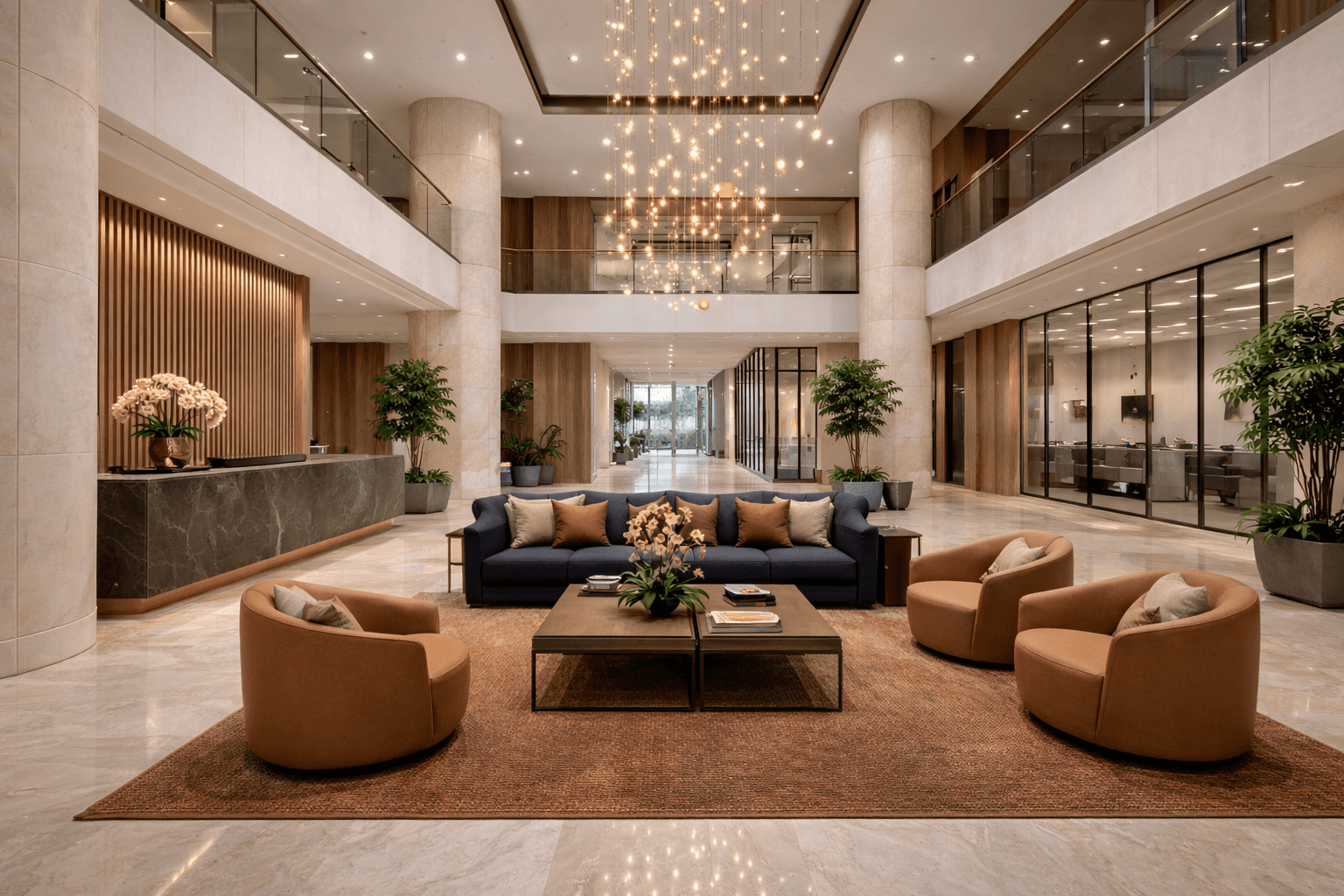
Space Planning and Layout
A key part of interior design is planning how spaces are organized. This involves defining room functions, arranging furniture, and managing circulation paths so movement feels natural and unobstructed. Good space planning ensures that interiors support daily activities, whether residential, commercial, or institutional. Decisions made at this stage influence comfort, accessibility, and how efficiently a space can be used.
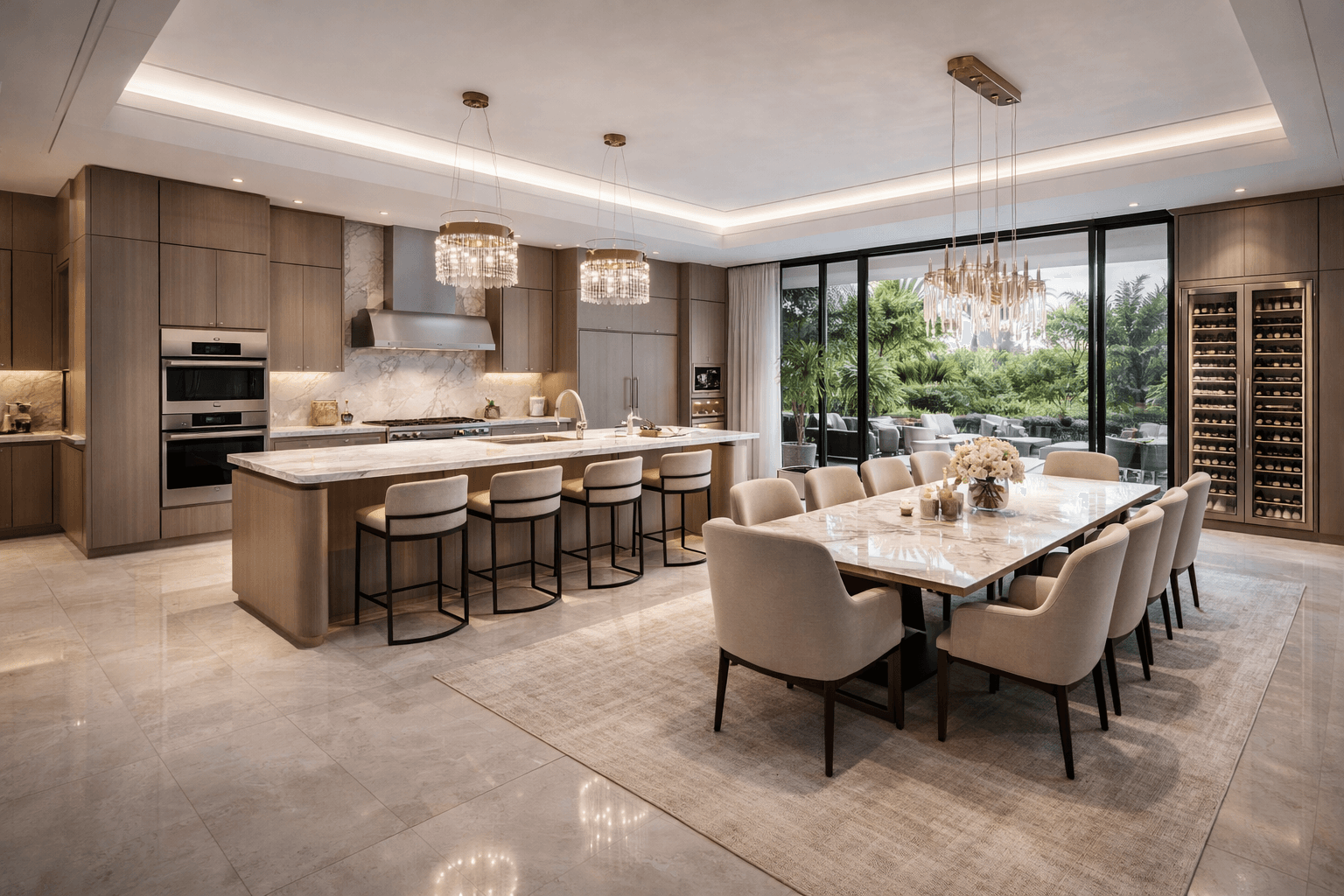
Light, Color, and Atmosphere
Interior design strongly influences how a space feels through light and color. Natural and artificial lighting shape mood, visibility, and comfort, while color choices affect perception, scale, and emotional response. Interior design considers how light interacts with surfaces, how colors relate to each other, and how these elements work together to create a coherent atmosphere suited to the purpose of the space.
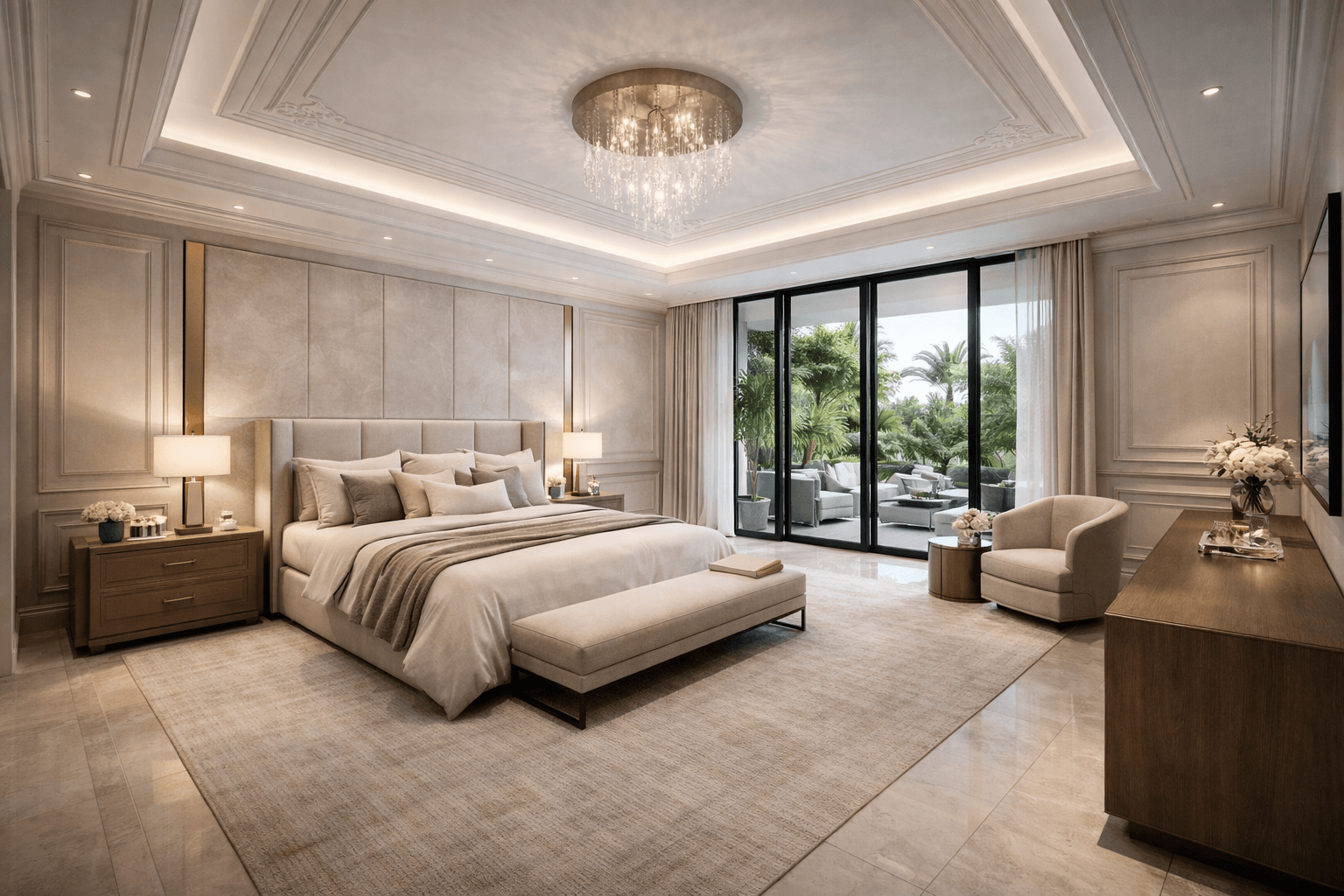
Materials, Finishes, and Details
Interior design also involves selecting and combining materials and finishes. Floors, walls, ceilings, and surfaces must be chosen not only for appearance but also for durability, maintenance, and performance. Details such as joinery, trims, and built-in elements contribute to the overall quality of the interior. Proper coordination ensures that materials work together visually and technically within the space.
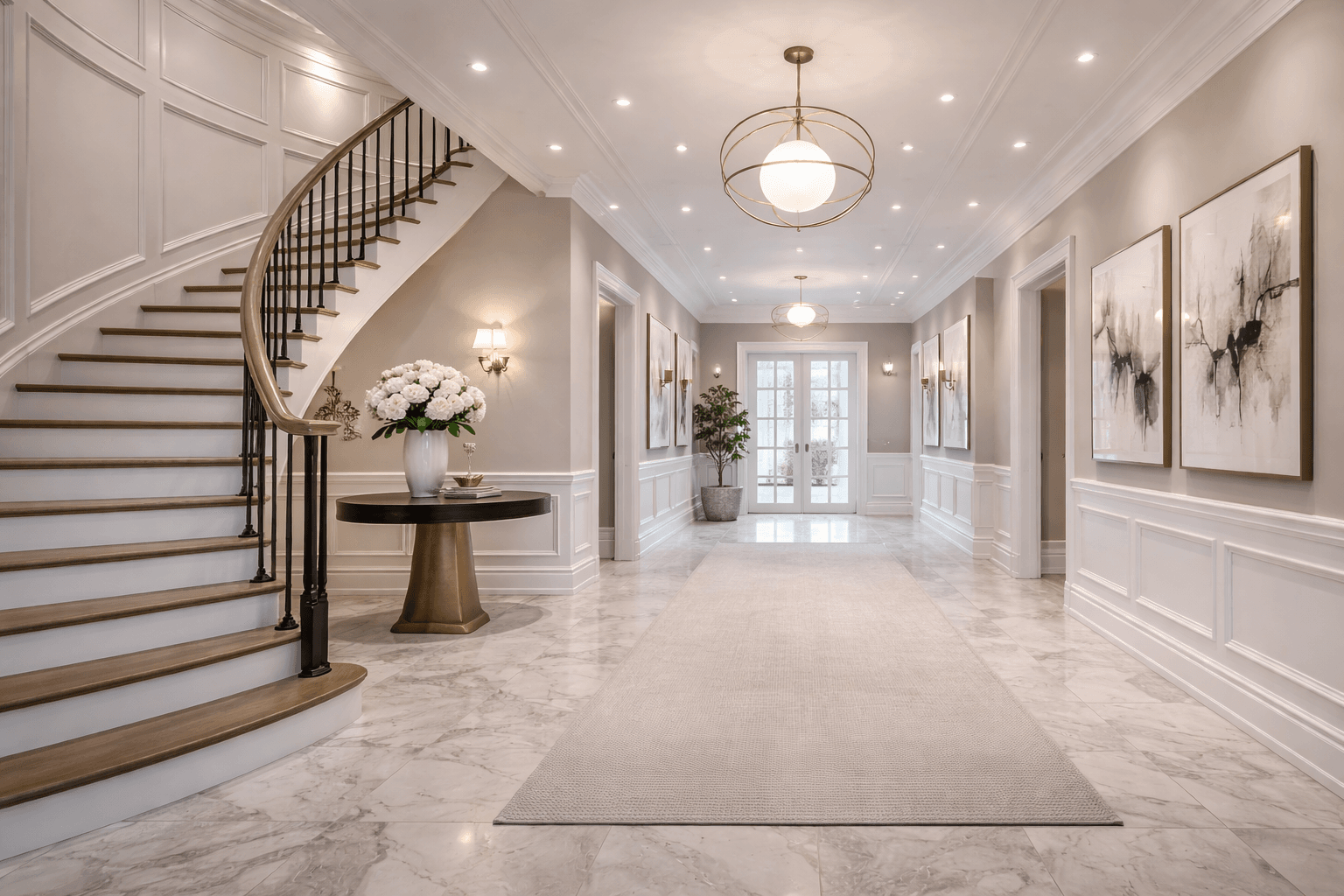
Interior Systems and Coordination
Interior spaces must accommodate technical systems while maintaining visual clarity. Electrical fittings, lighting fixtures, plumbing elements, and ventilation components must be carefully integrated into the design. Interior design explains how these systems are positioned, concealed, or expressed so they function correctly without disrupting the spatial experience. Coordination at this level prevents conflicts and supports long-term usability.
Understanding Interior Design in Practice
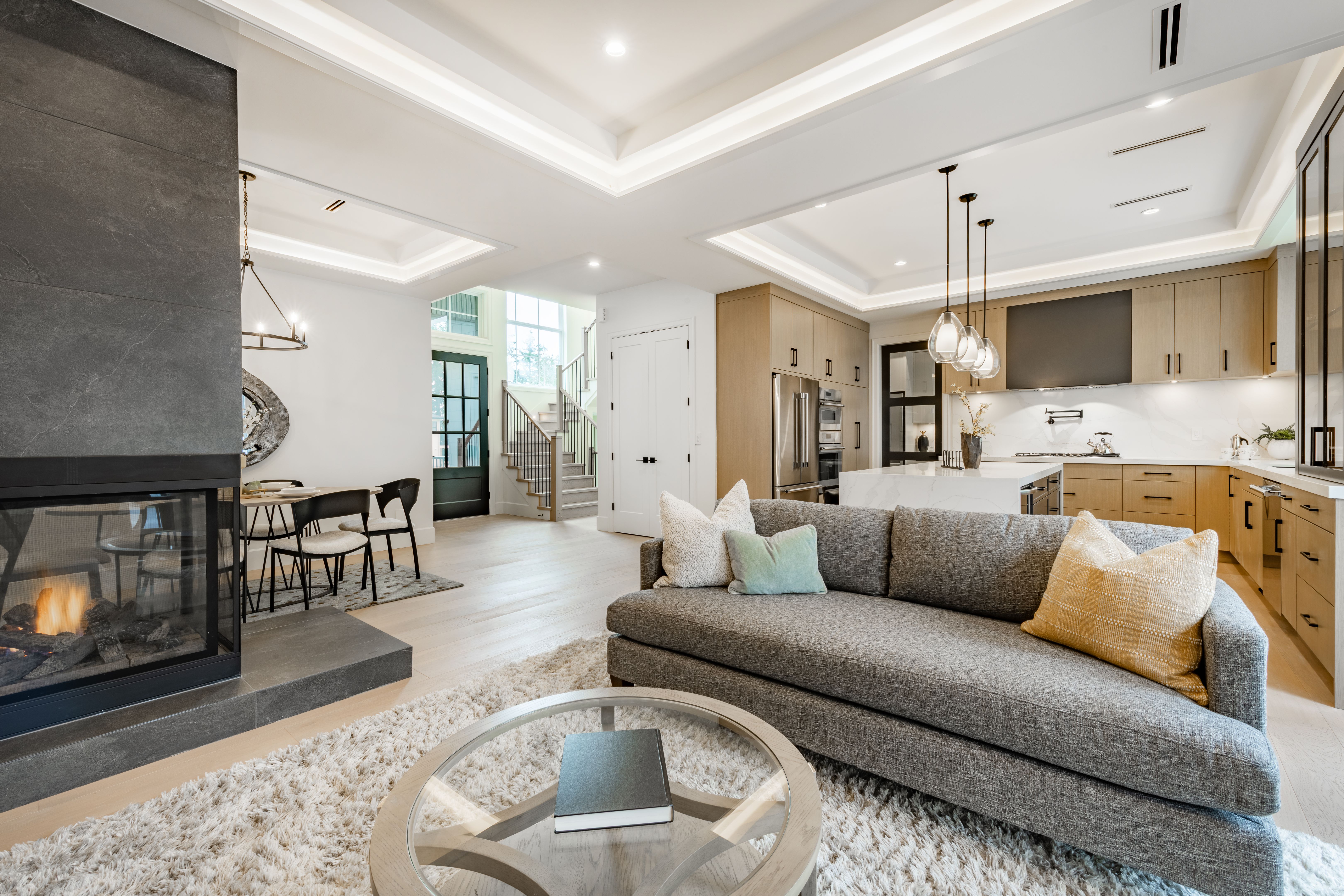
Interior design brings together space planning, aesthetics, materials, and technical coordination to create interiors that are both functional and refined. Understanding how these elements interact is essential for producing interiors that work well in real buildings. At D-Tech Center, the Interior Design & Drawing Certificate Course is designed to explain these interior design principles clearly and practically, helping learners understand how interior ideas are translated into precise drawings and buildable solutions.