Master Archicad and Revit with D-Tech Center – Professional Online Architectural Training
In today’s architecture, engineering, and construction industry, mastering BIM software such as Archicad and Revit is no longer optional. These tools sit at the core of modern architectural drafting, design coordination, documentation, and construction workflows. Architects, architectural drafters, and building designers who want to remain relevant and competitive must develop strong, practical skills in at least one—if not both—of these platforms.
With the growth of online architectural drafting training, acquiring professional-level skills in Archicad and Revit has become more accessible than ever. However, accessibility alone is not enough. What truly matters is how these tools are taught, how deeply they are covered, and whether the training prepares learners for real architectural work, not just software navigation.
This is where a structured training approach makes the difference.
Understanding Archicad and Revit in Professional Architectural Practice
Archicad and Revit are both Building Information Modeling (BIM) software, but they are used differently depending on project type, office workflow, and regional practice.
Archicad is widely appreciated for its intuitive modeling environment, strong architectural focus, and smooth integration between design and documentation. It is particularly effective for residential, commercial, and conceptual architectural projects where clarity of design intent and clean documentation are essential.
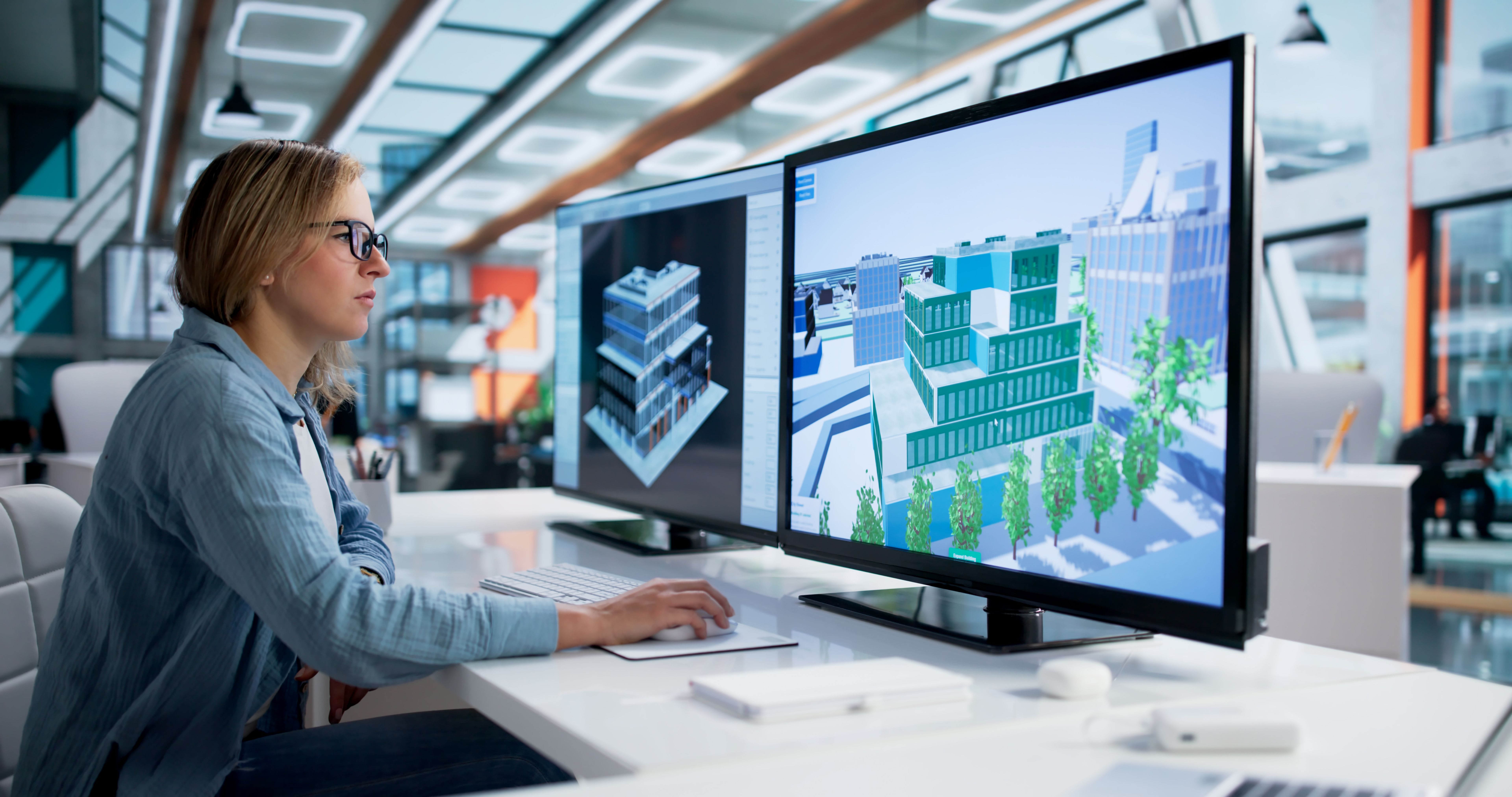
Revit, on the other hand, is known for its powerful parametric control, multi-disciplinary coordination, and strong integration with structural and MEP systems. It is commonly used on larger or more complex projects where collaboration between architects, engineers, and contractors is critical.
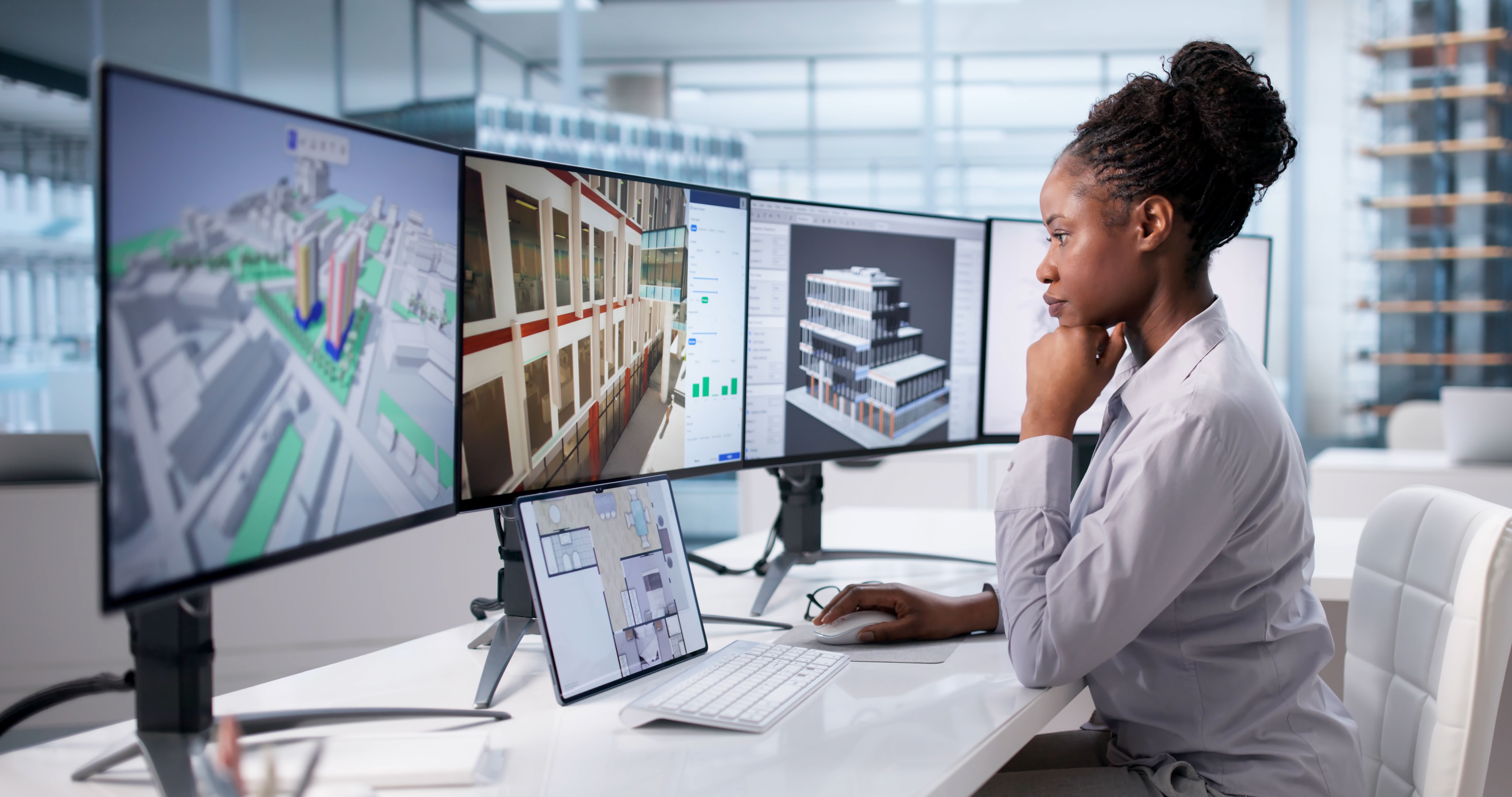
At D-Tech Center, both tools are taught not as isolated software packages, but as professional drafting and BIM systems used within real architectural workflows. Students learn not only how to model, but why certain modeling decisions are made and how they impact drawings, quantities, coordination, and construction.
How D-Tech Center Teaches Archicad and Revit Online
Unlike generic online tutorials, D-Tech Center’s online architectural training programs are designed as step-by-step professional pathways. Training is structured to take students from foundational drafting principles all the way to advanced BIM-based project documentation.
Courses are delivered fully online and organized around:
- Clear video lessons that demonstrate every tool and workflow visually
- Downloadable PDF course books that go deeper into concepts, standards, and professional reasoning
- Progressive exercises and projects that mirror real architectural work
- Live support sessions where students can ask questions and receive clarification
- Students can choose to learn one skill at a time—such as Archicad modeling or Revit documentation—or follow a complete architectural drafting pathway that covers design, modeling, detailing, and construction drawings in a logical sequence.
This modular yet comprehensive structure ensures that learners do not just “learn software,” but build professional competence.
Why Structured Online Training Matters More Than Random Courses
Many learners struggle with Archicad or Revit not because the software is too complex, but because their learning is fragmented. Watching disconnected videos from different sources often leads to gaps in understanding, inconsistent workflows, and confusion when working on real projects.
D-Tech Center addresses this problem by offering cohesive training programs where every lesson builds on the previous one. Concepts such as levels, grids, views, families, annotations, schedules, and sheets are taught in context, exactly as they are used in professional architectural offices.
By the end of the training, students are able to:
- Model complete architectural projects
- Produce clean and well-organized construction drawings
- Understand BIM logic rather than memorizing commands
- Work confidently across different project scales
This approach is especially valuable for learners in Africa and other developing construction markets, where access to structured architectural education is often limited.
Learning at Your Own Pace, Without Losing Professional Depth
One of the major advantages of online drafting training at D-Tech Center is flexibility. Courses are designed to accommodate students, working professionals, site supervisors, and aspiring architects who may not be able to attend physical classes.

Despite being online, the training maintains a professional academic depth, ensuring that learners do not miss the foundational knowledge required to grow in the field. Whether you are aiming to become an architectural drafter, a designer, or to strengthen your BIM skills for practice, the programs are structured to support long-term career development.
Staying Relevant in a BIM-Driven Industry
The architecture and construction industry continues to evolve rapidly, with BIM workflows becoming the standard rather than the exception. Mastery of Archicad and Revit is increasingly expected by employers, clients, and collaborators.

Through its continuously updated curriculum, D-Tech Center ensures that students remain aligned with current industry practices, drawing standards, and digital workflows. Training focuses on practical application rather than outdated or purely academic exercises.
Building Real Skills, Not Just Software Knowledge
Mastering Archicad and Revit through online training is a strategic investment in any architectural career—but only when the training is structured, practical, and professionally grounded.
At D-Tech Center, online architectural drafting training is designed to cover all key aspects of architectural work, allowing students to learn step by step or follow a complete pathway that prepares them for real projects and professional environments.
For anyone seeking serious online BIM and architectural drafting training, D-Tech Center offers a clear, structured, and industry-focused approach that goes beyond basic tutorials and builds lasting competence.