Space Planning in Architectural Design
Understanding the Basics of Space Planning
Space planning is a critical component in architectural design, involving the strategic allocation of exterior and interior spaces to maximize functionality and aesthetics. It requires a deep understanding of the needs of the occupants and the purpose of the building. Architects must consider factors like flow, accessibility, and natural light. This process is not just about filling a space; it's about creating a harmonious environment that enhances the user experience.
One of the primary goals of space planning is to ensure that spaces are used efficiently while maintaining a sense of openness and comfort. This involves considering the spatial relationships between different areas and how they interact with one another. Successful space planning integrates these elements seamlessly to support the building's intended use.
The Role of Functionality in Space Planning
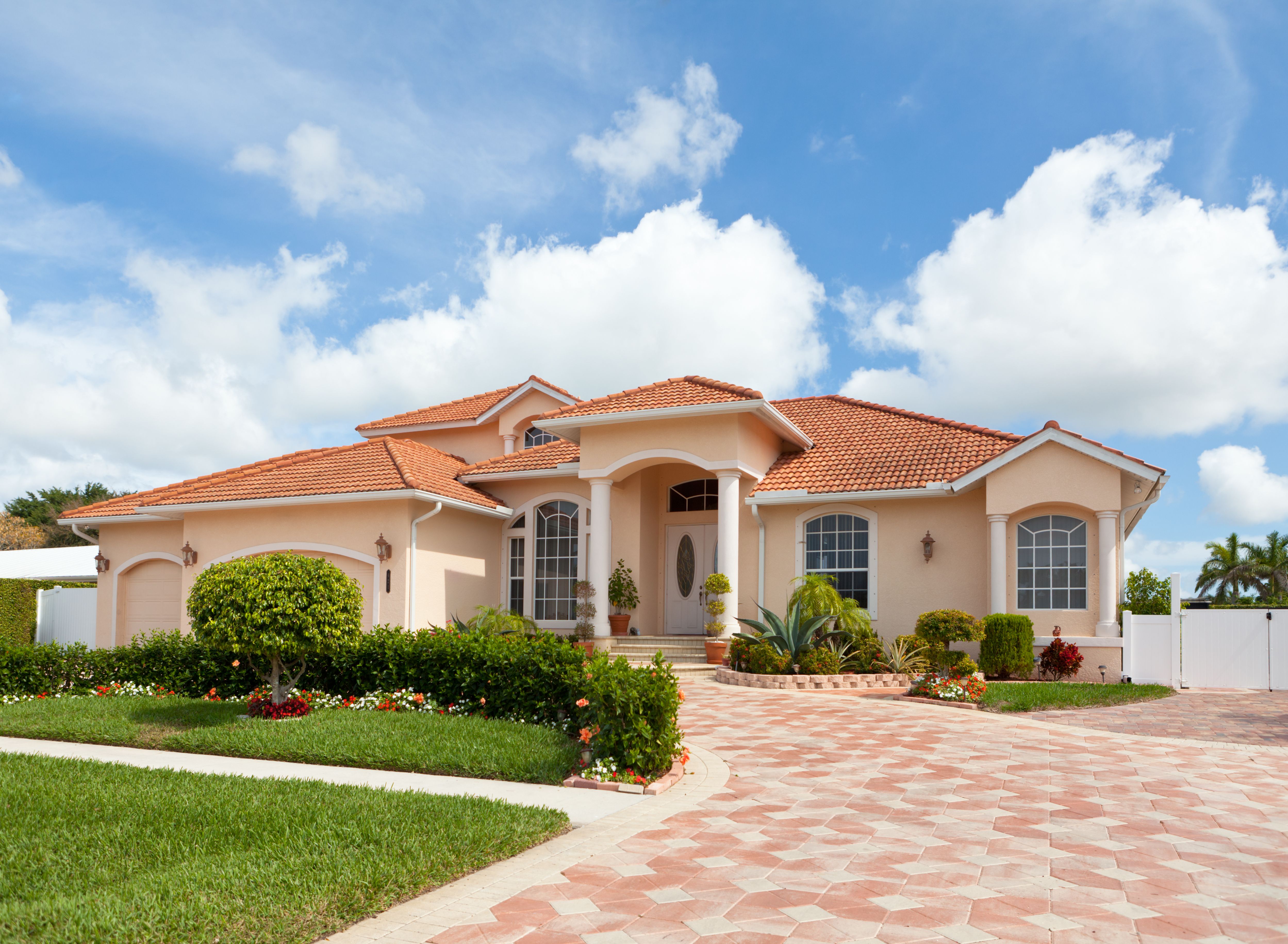
Functionality is at the heart of space planning. Each space within a building must serve a specific purpose, whether it’s for work, leisure, or living. Understanding the function of each area helps in determining the appropriate size, layout, and even the furniture to be used. For instance, a workspace would prioritize efficiency and ease of movement, while a living area might focus more on comfort and relaxation.
It's crucial to balance the needs of the occupants with the architectural vision. This involves creating adaptable spaces that can evolve with changing requirements. Flexibility is a key aspect of modern design, allowing spaces to be reconfigured as needed without significant changes to the structure.
Incorporating Aesthetics in Space Planning
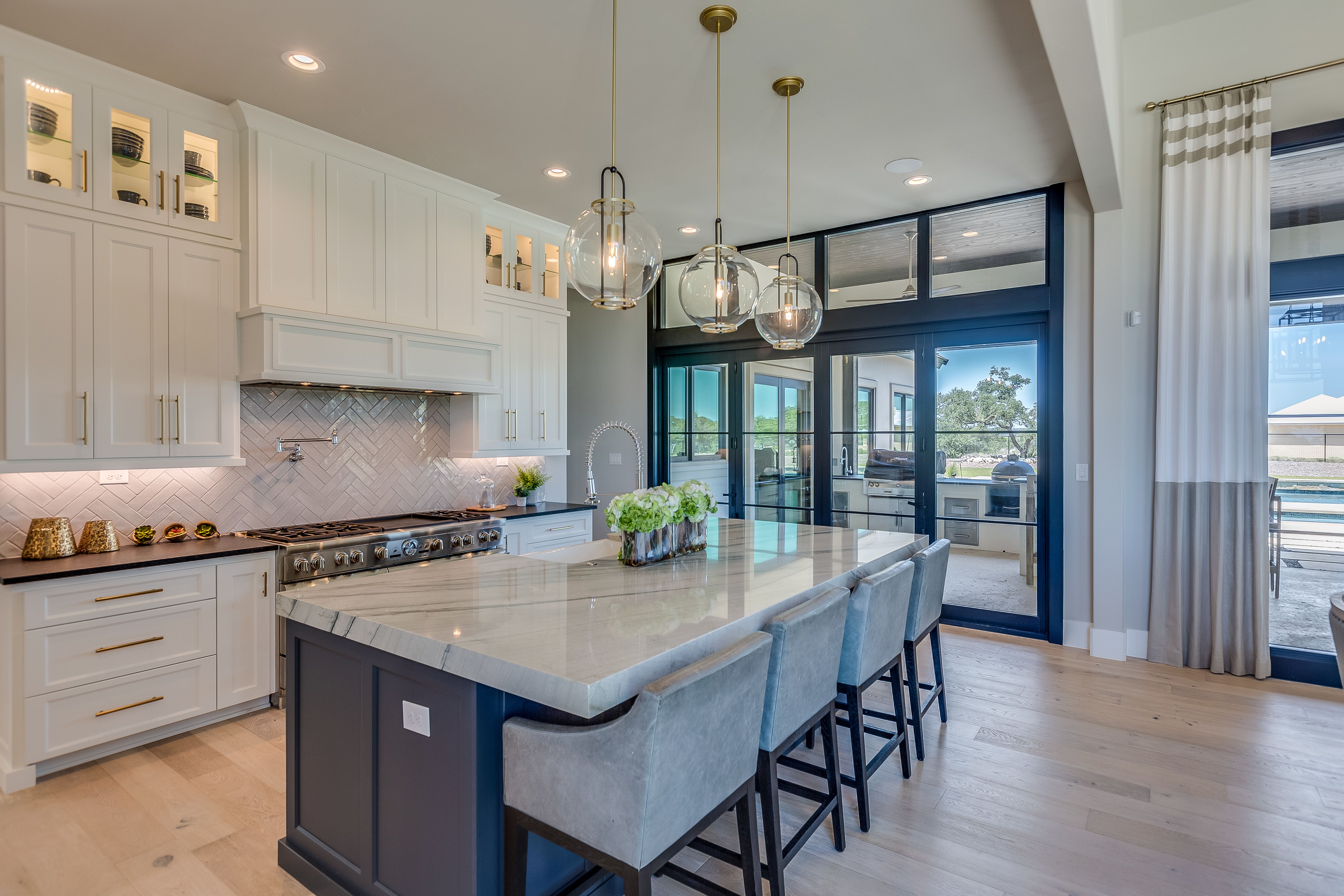
While functionality is paramount, aesthetics play an equally important role in space planning. The visual appeal of a space can significantly impact how it is perceived and used. Architects use elements such as color, texture, and material to create spaces that are not only functional but also visually engaging.
The challenge lies in blending these aesthetic elements with practical considerations. A well-designed space should evoke a certain mood or atmosphere that aligns with its purpose. Whether it's a serene and calming environment or a vibrant and dynamic one, aesthetics should complement and enhance the overall design.
Technology's Impact on Space Planning
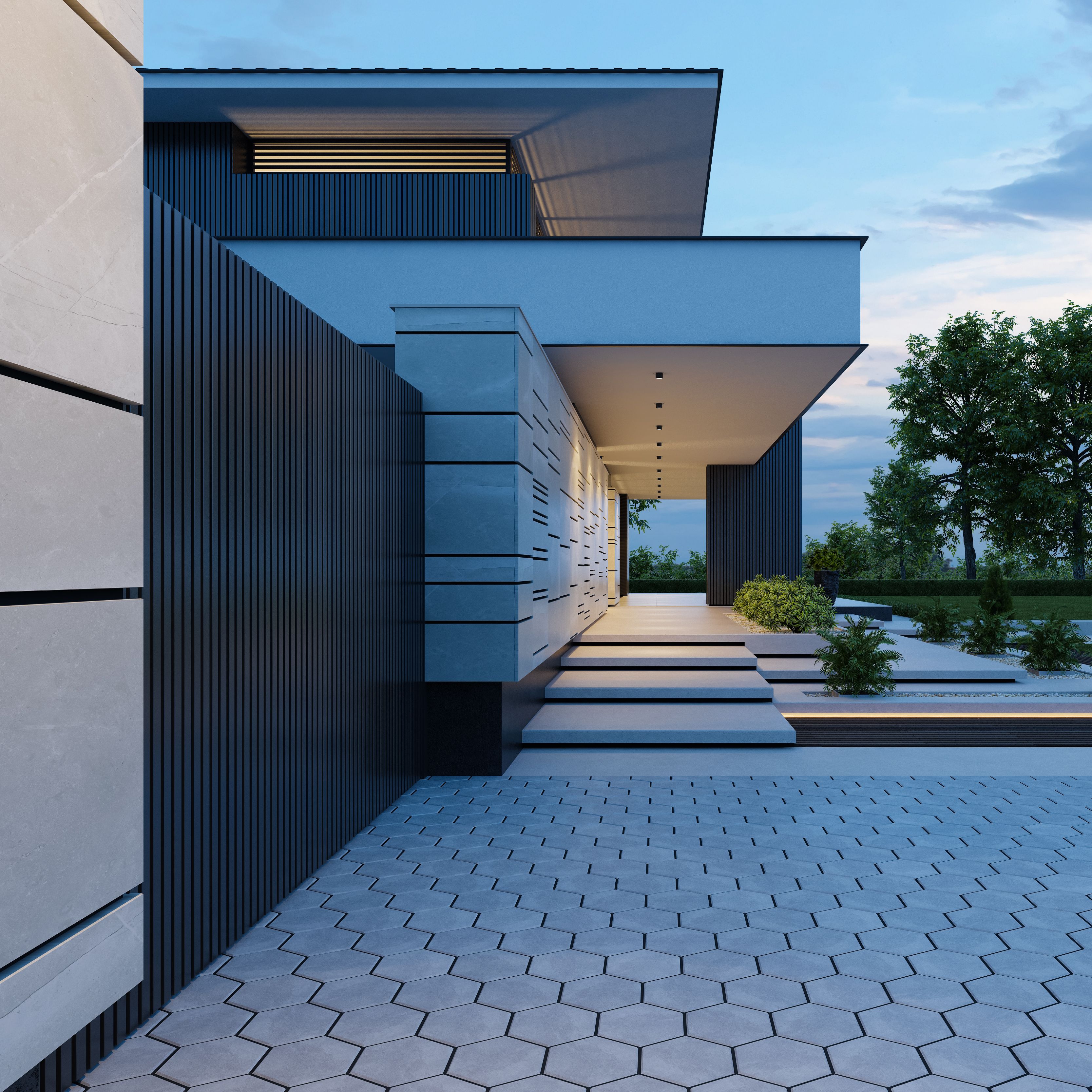
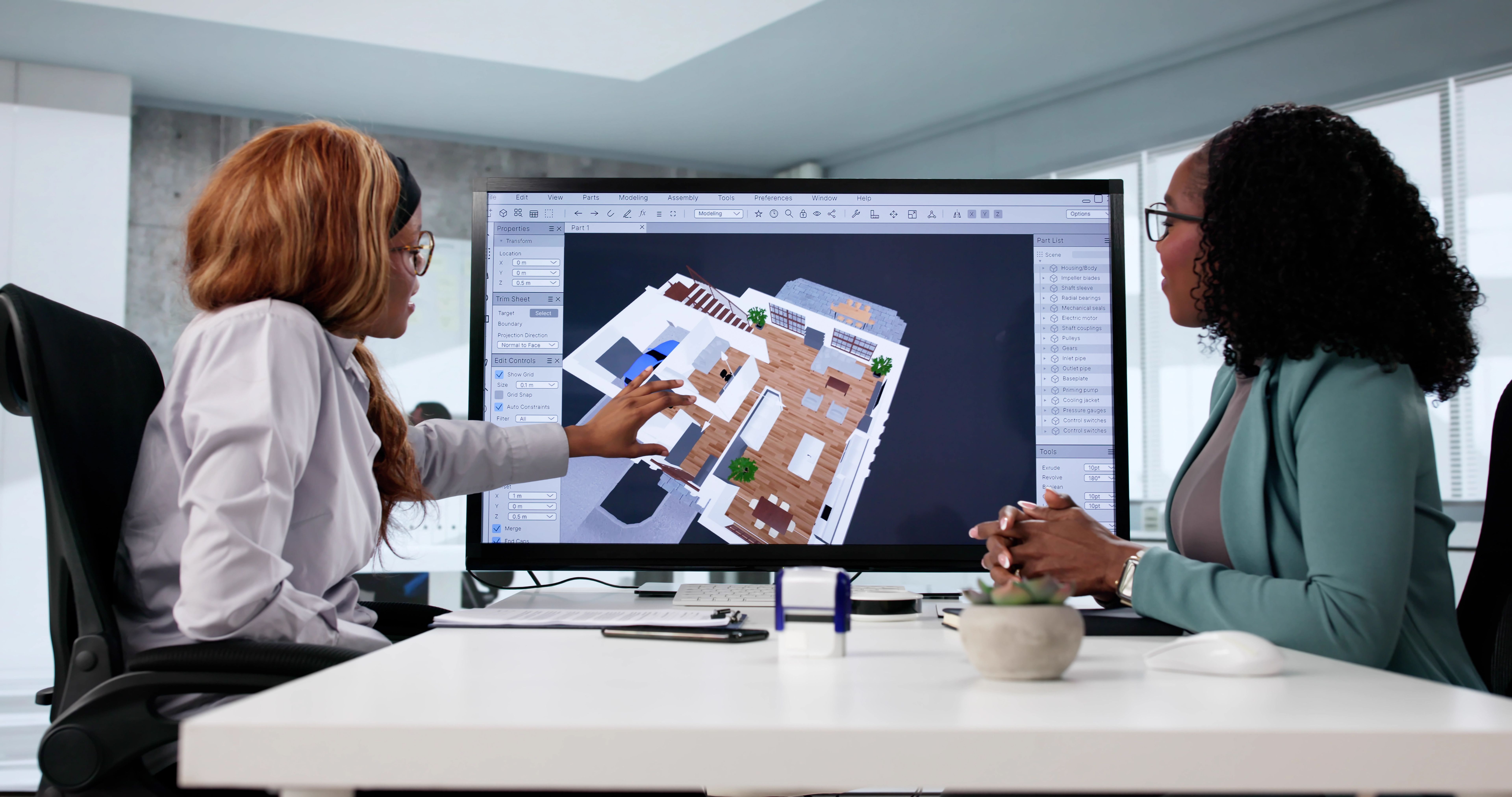
Technology has revolutionized space planning, providing architects with advanced tools for design and visualization. Software applications like Revit, ArchiCAD and AI-powered applications allow for detailed modeling and simulation, enabling architects to experiment with different layouts and configurations before finalizing a design.
These tools also facilitate collaboration between architects, clients, and other stakeholders, ensuring that everyone is aligned on the vision and functionality of the space. The integration of technology in space planning not only enhances the design process but also improves the final outcome.
Conclusion
Mastering space planning in architectural design is a multifaceted endeavor that requires a holistic approach. By integrating functionality, aesthetics, privacy, and technology, architects can create spaces that are not only beautiful and efficient but also adaptable to the needs of their occupants.