The Future of Architectural Drafting: Integrating AI-Powered Design Tools
As technology continues to evolve, the field of architectural drafting is undergoing a significant transformation. The integration of AI-powered design tools is set to revolutionize the way architects and designers approach their work, bringing a new level of efficiency and creativity to the industry.

The Rise of AI in Architectural Drafting
Artificial intelligence is increasingly being adopted in architectural drafting to streamline processes and enhance precision. AI tools can analyze vast amounts of data quickly, providing architects with insights that were previously inaccessible. This allows for more informed decision-making and innovative design solutions.
One of the key advantages of AI is its ability to automate repetitive tasks, freeing up architects to focus on more creative aspects of design. Drafting intricate details and generating multiple design iterations can now be accomplished with minimal manual input, saving time and reducing human error.
Enhancing Creativity and Innovation
AI-powered design tools are not just about efficiency; they also open up new avenues for creativity. By leveraging machine learning algorithms, architects can explore unconventional design possibilities that may not have been considered otherwise. These tools can suggest design alternatives based on historical data and current trends, inspiring architects to push the boundaries of traditional design.
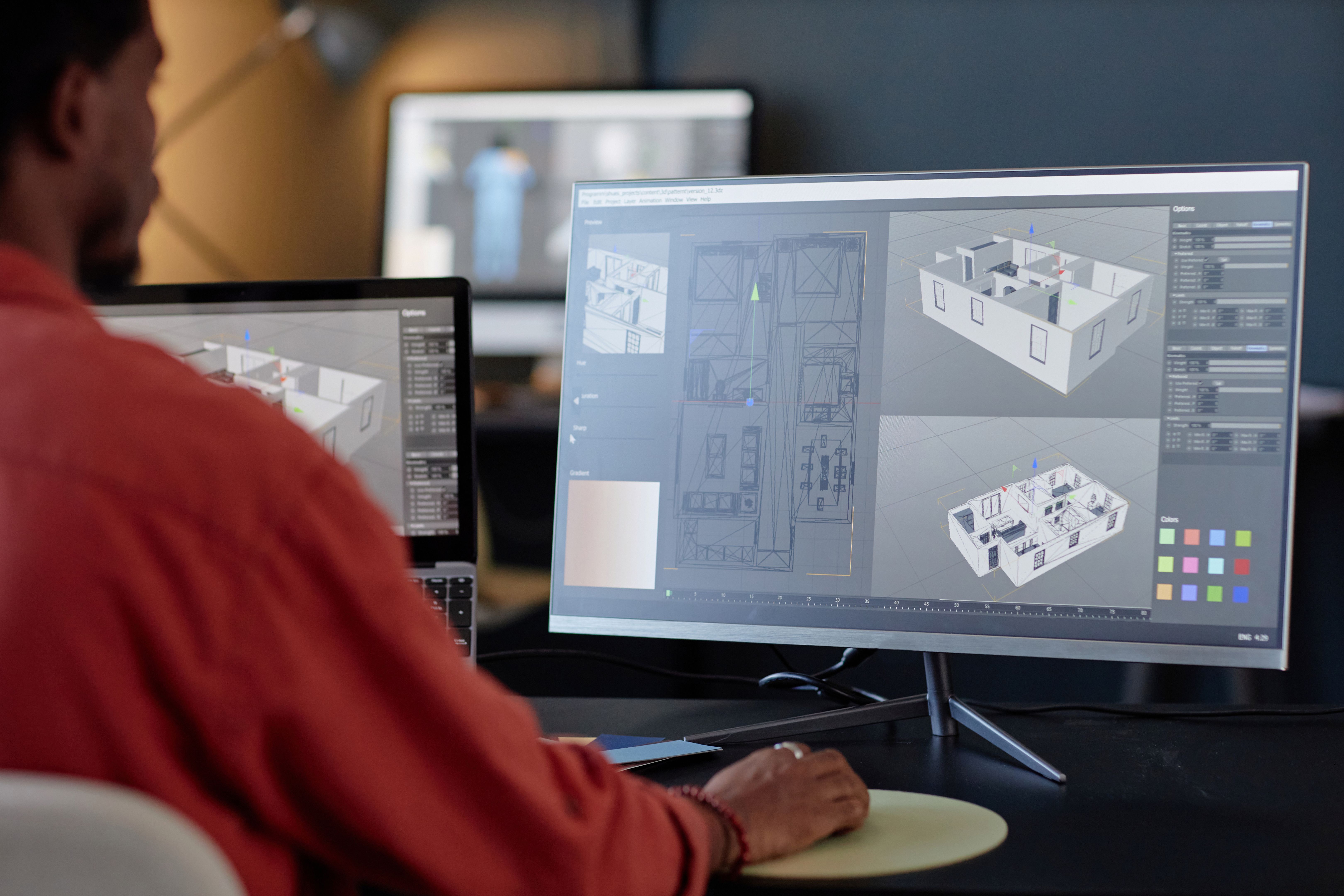
Moreover, AI tools can simulate real-world scenarios, allowing architects to test and refine their designs in a virtual environment. This leads to more sustainable and functional structures, as potential issues can be identified and addressed early in the design process.
Collaboration and Integration
AI-powered tools facilitate seamless collaboration among architects, engineers, and clients. By providing a common platform for sharing and visualizing designs, these tools enhance communication and ensure that everyone is on the same page. This collaborative approach leads to more cohesive and successful projects.
Integration with other technologies, such as Building Information Modeling (BIM), further enhances the capabilities of AI in architectural drafting. By combining AI with BIM, architects can create more comprehensive and detailed models, improving the overall quality and accuracy of the designs.

Challenges and Considerations
Despite the numerous benefits, integrating AI into architectural drafting does come with challenges. There is a learning curve associated with adopting new technologies, and architects must be willing to adapt and invest time in mastering these tools. Additionally, there are concerns about data security and the ethical implications of AI-driven design decisions.
To address these challenges, ongoing education and training are essential. Architects must stay updated on the latest advancements in AI technology and understand how to leverage these tools responsibly and effectively.
The Road Ahead
The future of architectural drafting is undoubtedly intertwined with the advancements in AI technology. As these tools continue to evolve, they will play an increasingly vital role in shaping the built environment. Architects who embrace these innovations will be well-positioned to lead the industry into a new era of design excellence.
Ultimately, the integration of AI-powered design tools in architectural drafting represents a promising frontier, one that will redefine the possibilities of architecture and inspire a new generation of designers.

For those looking to stay ahead of this technological shift, D-Tech Center integrates AI awareness, BIM workflows, and modern digital drafting tools into its online architectural training programs. Through structured video-based learning and practical project-focused instruction, the center prepares students and professionals to confidently adapt to AI-driven design processes shaping the future of architecture.