Understanding the Architectural Design Thought Process
From First Idea to Buildable Reality
Before a building is constructed, an architect must think through how it will be used, built, and maintained. Every architectural project, whether a small residence or a complex commercial building, follows a mental and technical journey where decisions compound over time. The quality of the final building is directly linked to the rigor of this thinking process. Architecture is therefore less about drawing shapes and more about organizing information, resolving constraints, and making informed choices at the right moment.

Understanding the Problem Before Drawing Anything
The architectural thought process begins long before any line is drawn. At this stage, the architect is defining the problem, not the solution. This includes understanding the client’s functional requirements, spatial expectations, budget limits, timeline, and long-term intentions for the building.
A residential project may demand privacy, thermal comfort, and flexibility, while a commercial project prioritizes circulation efficiency, visibility, and compliance. At the same time, regulatory constraints such as zoning limits, setbacks, maximum height, plot coverage ratio, and fire regulations already begin shaping the design. These parameters act as invisible boundaries that guide all future decisions. A well-structured architectural project often spends 15–25% of its total design time at this stage because mistakes made here are expensive to correct later.
Site Reading as a Design Generator
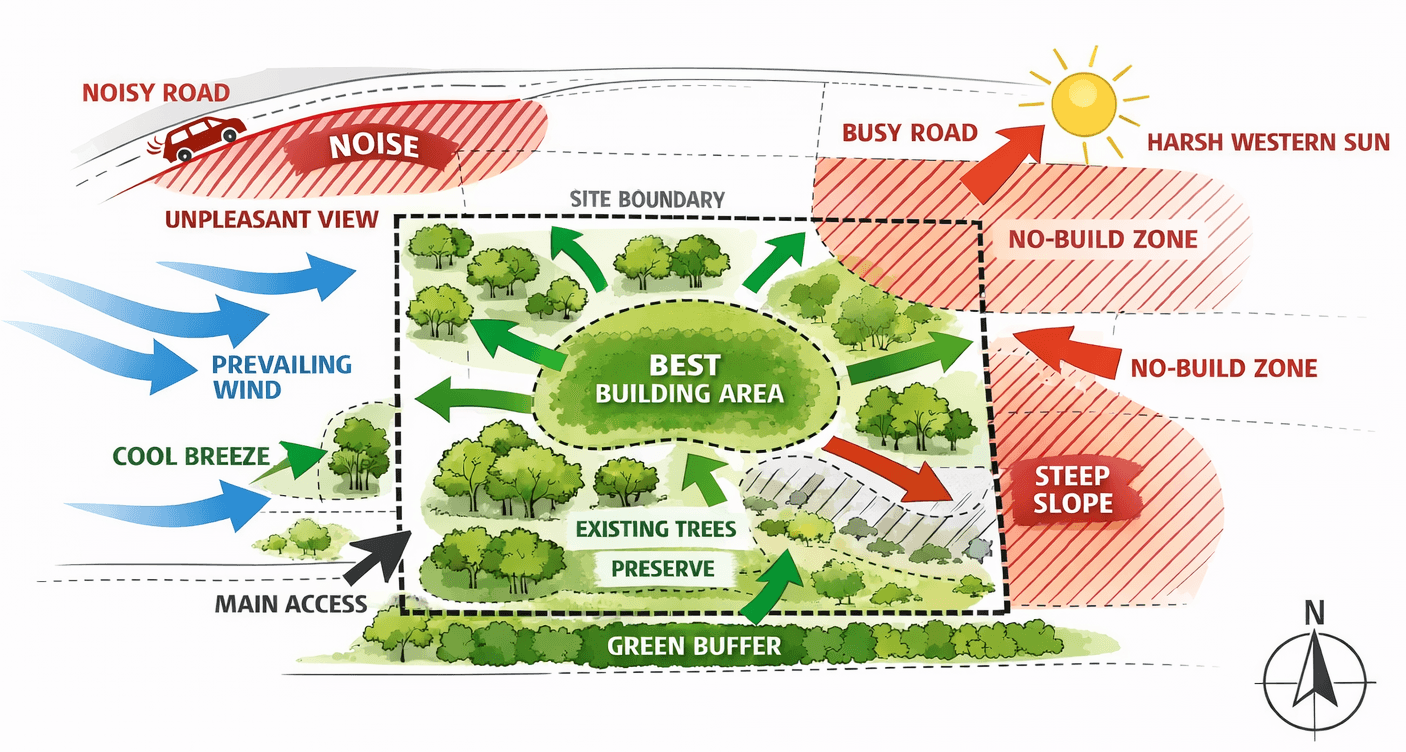
Site analysis is one of the most influential stages of architectural thinking. The architect reads the site like a dataset: orientation, sun path, prevailing winds, topography, soil condition, access points, noise sources, views, and surrounding buildings all feed directly into the design logic. For example, in tropical or West African contexts, solar orientation alone can reduce internal heat gains by 30–40% if openings and shading are properly placed. Drainage patterns influence floor levels and foundation strategies, while access conditions affect circulation and service layouts. At this stage, the site is no longer just land; it becomes an active design generator that informs form, layout, and structure.
Translating Needs into Spatial Strategy
Once the problem and site are understood, architectural thinking shifts toward spatial organization. This is where abstract requirements are translated into zones, relationships, and hierarchies. Spaces are grouped by function, frequency of use, privacy level, and environmental needs. Circulation paths are studied to minimize conflicts and wasted movement.
For instance, in residential design, separating public spaces from private bedrooms improves acoustic comfort and usability, while in commercial buildings, reducing travel distance between related functions can improve operational efficiency by measurable margins. This phase is heavily diagrammatic and conceptual, yet it is already quantitative, relying on minimum room sizes, clearances, ergonomic standards, and circulation widths.
Concept Development and Design Intent
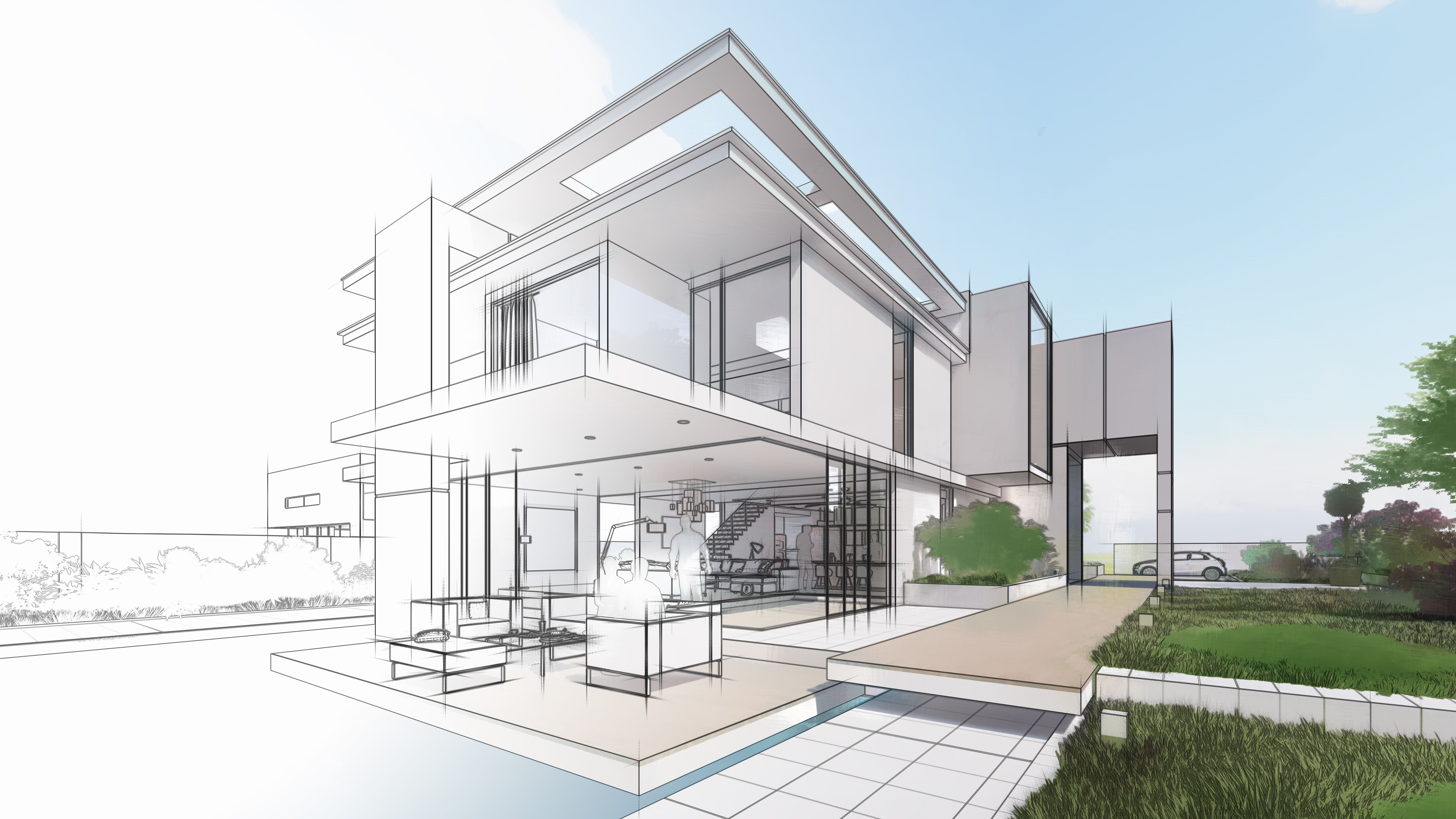
The architectural concept emerges not as a decorative idea but as a clear response to constraints and opportunities. It may be driven by climate adaptation, structural logic, cultural expression, or construction efficiency. A strong concept acts as a decision-making filter: when faced with multiple design options, the architect refers back to the concept to maintain coherence. This stage often produces massing studies, volumetric relationships, and early sections that test scale and proportion. Even at this early level, decisions about building depth, floor-to-floor heights, and structural grids begin to influence cost, material usage, and future flexibility.
Iteration Between Form, Structure, and Systems
Architectural thinking is not linear; it is iterative. As the form develops, it must be tested against structural feasibility and building systems. Column spacing affects room layouts, beam depths influence ceiling heights, and service zones dictate floor thickness. A well-coordinated design anticipates these interactions early, reducing clashes later. In practice, buildings with early system coordination can reduce redesign time during documentation by up to 20–30%. This phase demands constant back-and-forth thinking, where architectural intent is refined rather than compromised.
Design Development Through Precision
As the project moves into design development, architectural thinking becomes increasingly precise. Room dimensions are fixed, wall thicknesses are defined, door and window sizes are coordinated, and materials are selected based on performance, availability, and cost. This stage translates ideas into measurable decisions: floor areas, structural spans, ventilation paths, daylight penetration, and construction tolerances. At this point, the architect is thinking simultaneously as a designer and a builder, anticipating how each element will be constructed, assembled, and maintained over time.
From Design Thinking to Construction Logic
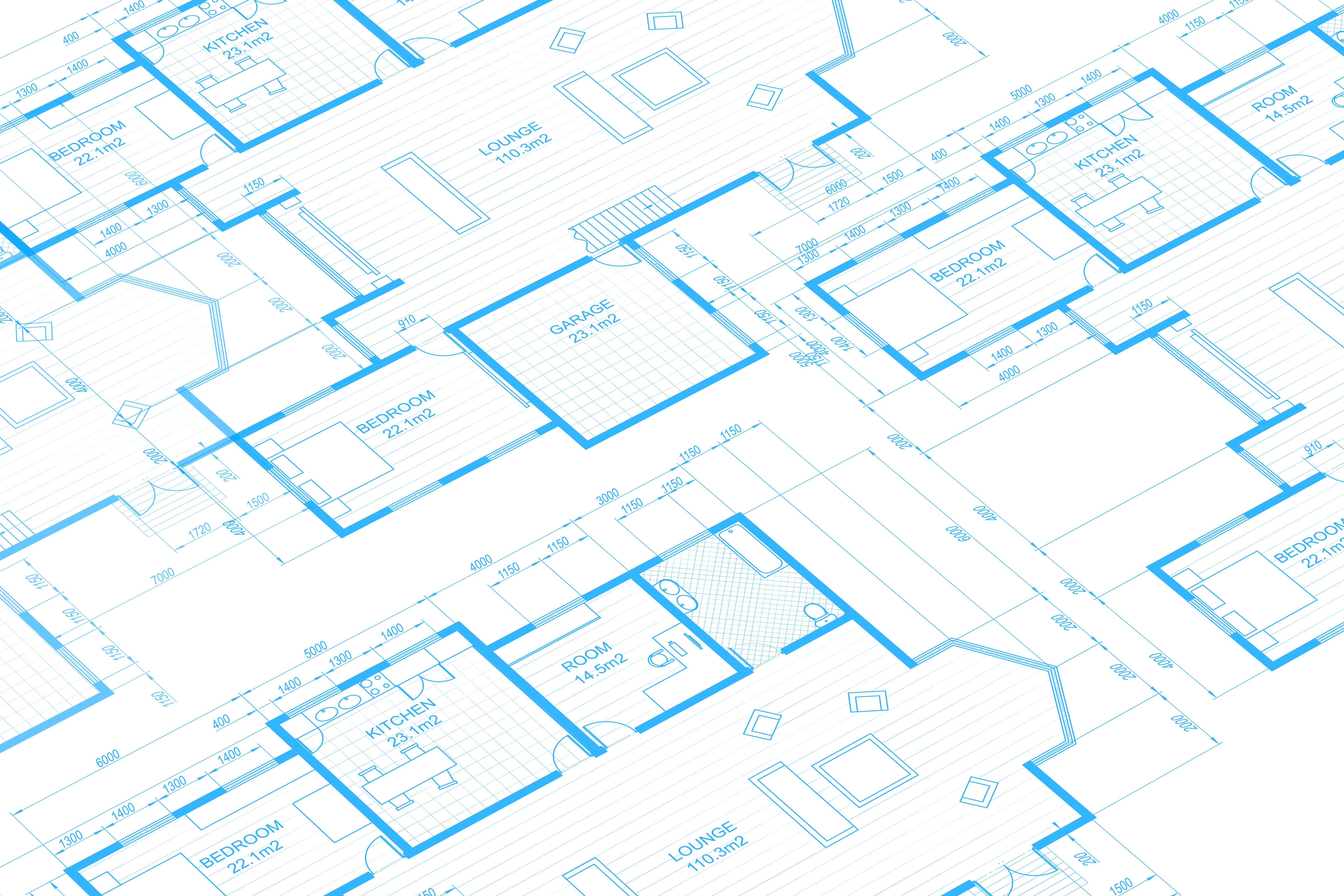
The final phase of architectural thought is documentation, where creativity meets accountability. Construction drawings are not just representations; they are instructions. Every line carries legal and technical responsibility. Architectural thinking here focuses on clarity, coordination, and completeness. Drawings must communicate intent unambiguously to contractors, engineers, and authorities. A well-thought-out design process results in fewer site questions, reduced variations, and better cost control. Studies in construction management consistently show that thorough design documentation can reduce site-related errors by more than 40%.
Architecture as Structured Thinking
Architectural design is ultimately a disciplined way of thinking. It integrates human behavior, environmental science, engineering logic, economics, and construction reality into a single coherent system. The architect’s true skill lies not in producing beautiful drawings, but in making hundreds of interrelated decisions that result in a building that works, lasts, and adapts. When architectural thought is rigorous, the building becomes more than a structure; it becomes a resolved response to a complex set of real-world conditions.

This structured way of thinking is exactly what the D-Tech Center curriculum is designed to develop. Rather than teaching software or drawing tools in isolation, the training emphasizes how architectural decisions are made, tested, and documented at every stage of a project. Students learn to analyze sites, organize spaces, coordinate structure and systems, and translate design intent into clear construction drawings.
By grounding technical skills in the architectural design thought process, D-Tech Center prepares learners not just to draw buildings, but to think like architects who understand how ideas become buildable reality.